

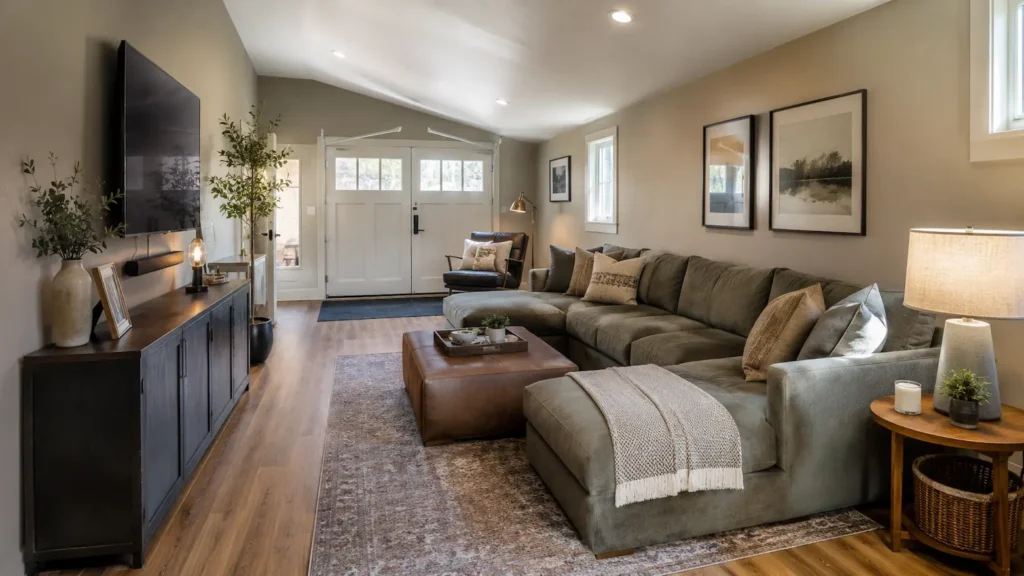
Garage conversion cost usually becomes a serious question when a homeowner realizes the garage could do more than store boxes, tools, or a parked car. The home may need an office, guest room, playroom, gym, studio, bedroom, or more flexible living space. On paper, the garage already exists. That can make the project feel simpler than a full addition.
The budget question is more careful than that. A garage was usually built for storage or parking, not daily comfort. Turning it into a room means thinking through insulation, flooring, walls, electrical work, HVAC, permits, ceiling height, windows, exterior access, and how the new space will be used.
At Lone Star Remodeling Dallas, we think garage conversion cost should be discussed around the actual garage, not a generic average. The right plan starts with the condition of the space, the goal for the room, and the amount of construction needed to make it feel like part of the home.
Garage Conversion Cost Starts With the Room’s Purpose
Garage conversion cost changes quickly depending on what the room is meant to become. A basic home office may need insulation, drywall, flooring, lighting, outlets, and HVAC. A bedroom may need more attention to privacy, comfort, windows, closet planning, and code-related details. A guest suite or garage ADU conversion may involve plumbing, a bathroom, kitchenette planning, and more complex coordination.
That is why the first budget question should not be “how much does a conversion cost?” The better question is “what kind of living space are we creating?” A garage that becomes a quiet office does not carry the same scope as a garage that becomes a semi-independent living area.
The clearer the room’s purpose, the easier it becomes to separate must-haves from nice-to-haves. That clarity protects the conversion budget before finish selections begin.
Existing Garage Conditions Can Raise or Lower the Budget
The existing condition of the garage has a major effect on garage conversion cost. Some garages are clean, dry, level, and easier to adapt. Others have cracked slabs, poor drainage, exposed framing, weak lighting, limited outlets, unfinished walls, damaged doors, or signs of moisture.
A garage renovation cost can look lower when the work is mostly cosmetic. Paint, flooring, lighting, and storage changes may improve the space without fully converting it. But a true conversion asks more from the room. The space needs to feel comfortable, finished, and connected to the home.
Before homeowners assume a number, the garage should be reviewed carefully. The slab, walls, ceiling, door opening, windows, insulation potential, utility access, and exterior conditions all matter. This is why garage conversion cost should begin with the actual space, not with a rough number from another project.
The less correction the garage needs, the more predictable the project becomes.
Insulation and Comfort Are Major Cost Factors
A garage is often one of the least comfortable areas of the home. It may be hot in summer, cold in winter, drafty around the garage door, and disconnected from the home’s conditioned space.
That is why insulation is one of the most important parts of garage conversion cost. Walls, ceilings, garage door openings, and sometimes floors may need attention. If the garage is attached, the transition between the house and converted space should also feel natural.
Comfort cannot be added only through paint and flooring. If the room is not insulated well, it may always feel like a converted garage instead of a real part of the home. Good planning helps the new room stay usable during Dallas heat and cooler months.
A comfortable conversion begins behind the finished surfaces.
HVAC Decisions Can Change the Conversion Budget
Heating and cooling can affect the conversion budget more than homeowners expect. The new room may need to connect to the existing HVAC system, use a separate solution, or require an equipment review before the space is added.
The right answer depends on the size of the garage, the existing system, the layout of the home, insulation, airflow, and how often the room will be used. A workout room, bedroom, office, or guest space may have different comfort needs.
Garage conversion cost should include this conversation early. A room that looks finished but stays too warm or too cold will not feel successful. HVAC planning also affects walls, ceilings, electrical needs, and timing.
The goal is not only to make the room look livable. It should feel livable throughout the year.
Electrical Work Should Match the New Use
Most garages are not wired like bedrooms, offices, gyms, or guest rooms. A conversion may need additional outlets, better lighting, dedicated circuits, ceiling fans, data wiring, or power for specific uses.
A home office may need outlets in the right places, strong lighting, and reliable connectivity. A media room may need power for screens and equipment. A garage ADU conversion may need more involved electrical planning, especially if kitchen or bathroom features are added.
Electrical work is one reason garage conversion cost should be planned by scope, not only square footage. The same garage can cost different amounts depending on how the space will function.
Good electrical planning keeps the finished room from relying on extension cords, awkward lamp placement, or later fixes.
Flooring Depends on the Slab and Final Room
Garage floors are often concrete, sloped, stained, cracked, or slightly uneven. That does not mean the space cannot become a comfortable room, but flooring choices need to match the slab and the final use.
Some projects may need leveling, moisture review, floor preparation, or transitions where the garage meets the home. The chosen flooring should support comfort, cleaning, durability, and the way the room will be used.
Garage conversion cost can increase if the floor needs repair before new material is installed. It can also change depending on whether the homeowner chooses carpet, luxury vinyl, tile, engineered wood, or another finish.
A floor that looks good on day one still needs to feel right under daily use.
Permits and Code Should Be Part of the Early Plan
A garage conversion is not only an interior design project. In Dallas, a residential garage conversion can require permitting and documentation because the space is changing use. That can affect drawings, inspections, electrical work, plumbing, insulation, safety, and parking considerations.
Permits can feel like a budget detail, but they are really a planning detail. They help define what the project must include before construction begins. If homeowners treat the conversion as a quick finish job, they may miss requirements that affect cost and timeline.
Garage conversion cost should include the time and coordination needed to handle the project properly. This is especially important when the space will become a bedroom, rental-style suite, or garage ADU conversion.
A permitted plan is usually easier to trust than a project built around shortcuts.
Plumbing Changes Make the Biggest Difference
Plumbing is one of the largest reasons a conversion budget can grow. If the garage becomes a simple office or playroom, plumbing may not be involved. If the garage becomes a guest suite, bathroom, laundry area, kitchenette, or ADU-style space, the project changes.
Plumbing work can involve supply lines, drains, venting, slab work, fixture placement, waterproofing, and coordination with the rest of the home. The location of existing plumbing can make the project simpler or more involved.
Garage conversion cost should be reviewed carefully before adding a bathroom or kitchenette to the plan. These features can add comfort and independence, but they also change the construction scope.
This is where a garage ADU conversion needs more serious planning than a basic room conversion.
Garage Doors, Windows, and Exterior Changes Matter
One of the most visible decisions is what happens to the garage door. Some homeowners want it removed and framed into a wall with windows. Others want to keep part of the exterior appearance. The right answer depends on the design, budget, neighborhood, and how the room should feel from inside and outside.
Windows can improve natural light, ventilation, and the feeling of belonging to the home. Exterior finishes may need to match the existing house so the conversion does not look patched on.
These changes affect garage conversion cost because they involve framing, insulation, siding or masonry transitions, windows, trim, and finish work. They can also affect permits and the way the home appears from the street.
A good conversion should not look like a garage that was covered up quickly. It should feel intentional.
Storage and Parking Should Not Be Ignored
A garage conversion adds living space, but it may remove storage and parking. That tradeoff should be discussed before the project begins.
Homeowners should think about where tools, holiday items, bikes, lawn equipment, and household storage will go after the garage becomes a room. They should also consider whether parking changes matter for daily life or local requirements.
Garage conversion cost is not only about building the new room. It is also about solving what the garage used to do. Some projects may need storage solutions, shed planning, driveway adjustments, or interior storage built into the new room.
The best conversion does not create clutter elsewhere in the home.
Garage Renovation Cost Versus Full Conversion Cost
Garage renovation cost and full conversion cost are not the same thing. A renovation may make the garage cleaner, brighter, and more usable while keeping it as a garage. A conversion changes the purpose of the space.
That distinction matters because homeowners may compare numbers that are not really comparable. Painting a garage, adding cabinets, improving lighting, and installing a better floor coating is very different from creating insulated, conditioned, permitted living space.
Garage conversion cost usually includes more systems, more coordination, and more finish work than a garage renovation. That does not make one choice better. It means homeowners should choose based on the actual goal.
If the garage still needs to function as storage or parking, a renovation may be enough. If the home needs real living space, a conversion may be the better investment.
Plan the Conversion Budget Around Priorities
A clear conversion budget should follow the room’s purpose. The biggest priorities are usually comfort, code, insulation, HVAC, electrical work, flooring, and the features that make the room useful.
Homeowners can control some costs by keeping the layout simple, limiting plumbing changes, choosing practical finishes, and avoiding unnecessary structural changes. They may spend more when the goal is a bedroom, guest suite, or garage ADU conversion with more independence.
The budget should not be built only around the cheapest finish choices. A low-cost floor or light fixture will not matter much if the room is uncomfortable or poorly planned.
Good budgeting protects the parts of the project that make the space work.
Request an Estimate Based on the Actual Garage
The most useful garage conversion cost estimate comes from the actual space. Online averages can help homeowners start thinking, but they cannot account for slab condition, insulation needs, HVAC capacity, plumbing distance, garage door changes, permits, or the intended use of the room.
At Lone Star Remodeling Dallas, we work with homeowners who want to understand what their garage can realistically become. Homeowners can review the page to see how garage spaces can be converted into rooms such as bedrooms, offices, gyms, studios, home theaters, or ADU-style living areas.
If you are comparing ideas and trying to understand your conversion budget, contact us to request a garage conversion estimate based on your actual space and goals.
FAQ
What affects garage conversion cost the most?
Garage conversion cost is usually shaped by insulation, HVAC, electrical work, flooring, permits, plumbing, garage door changes, and the final room use.
Is garage renovation cost the same as conversion cost?
No. Garage renovation cost usually applies to improving the garage, while conversion cost applies to turning it into livable space.
Does a garage ADU conversion cost more?
Often yes. A garage ADU conversion may need plumbing, kitchen features, bathroom planning, privacy, permits, and more complex systems.
Can I convert a garage into a bedroom?
Sometimes yes, but the space needs to meet comfort, safety, access, electrical, insulation, and permitting requirements.
Does a garage conversion need HVAC?
Most livable garage conversions need a heating and cooling plan so the room feels comfortable throughout the year.
How should I start planning a garage conversion?
Start by deciding how the room will be used, then review the garage condition, permits, comfort needs, utilities, and budget priorities.