

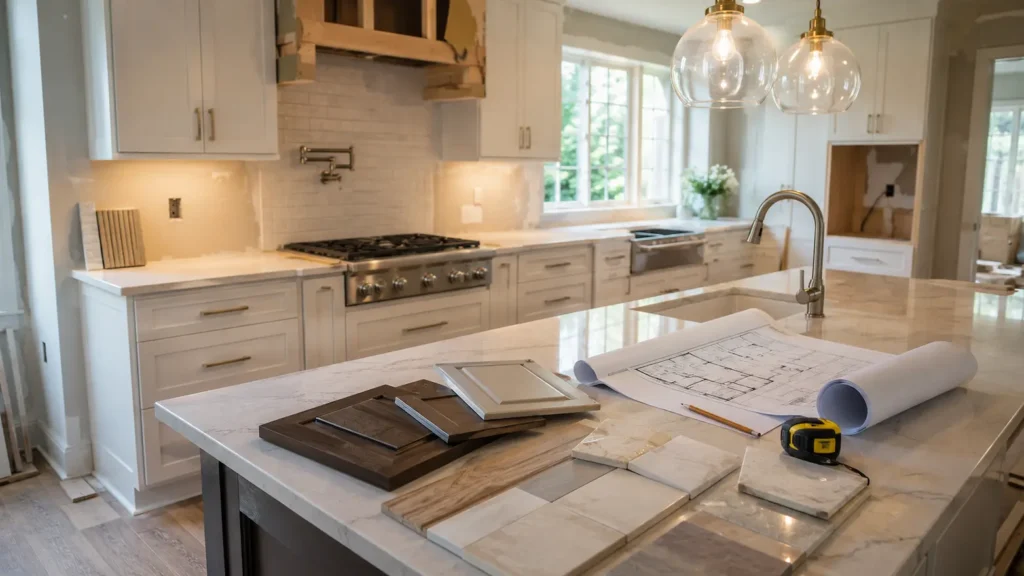
A kitchen renovation cost rarely lands where homeowners expect at the first conversation. The number from the showroom sounds reasonable. The cabinet brochure looks close to the budget. The neighbor mentioned a figure at a block party that felt manageable. The real planning starts, and the picture begins to shift. Quartz comes in higher than expected. The plumbing needs to move. Lead times push materials into the next quarter.
The original number was never wrong. It was just not the whole story yet.
At Lone Star Remodeling Dallas, the kitchen renovation cost conversation happens early. In plain language. Before any contract gets drafted. That order matters more than most homeowners realize, because the surprises in this category almost never come from the visible work. They come from the parts of the budget that did not get explained the first time. This guide walks through every variable that actually moves the total, so the picture lands honest before the project begins.
What Actually Goes Into Kitchen Renovation Cost
A kitchen renovation cost is rarely one number. It is a stack of smaller numbers that each carry their own logic. Design and planning. Demolition. Cabinetry. Countertops. Appliances. Plumbing rough-in. Electrical. Flooring. Lighting. Backsplash. Paint. Hardware. Labor across every trade. Permits. The contingency buffer.
The proportion shifts from project to project. In most kitchens we see, cabinetry and countertops together pull the largest share of the budget. Appliances and plumbing-electrical work usually follow. Labor sits on top of all of it, because every line item above involves someone doing the work behind it.
Homeowners often anchor on the materials and forget the systems. That is a common mistake. A beautiful set of cabinets installed over a plumbing line that should have been relocated will look right on day one. By month six it feels wrong. The hidden spend protects the visible spend.
The other line that gets skipped is contingency. A realistic kitchen renovation cost includes a buffer of 10 to 20 percent of the total budget. The higher end suits older homes and projects involving structural or plumbing changes. That cushion is not weak planning. It is what keeps the project moving when the wall opens and tells a different story than the drawings did.
Scope Is the First Number That Moves the Total
Scope decides the budget more than any single material choice. Three kitchens in three different houses, each called a renovation, can land at three completely different price points based on what the project actually touches.
A cosmetic refresh keeps the layout, the plumbing, and the electrical in place. New paint, new hardware, refaced cabinets, a fresh countertop, a backsplash. The lightest version of the work. The kitchen renovation cost lands at the lower end of the spectrum here.
A layout change moves the work into a different category. New cabinet runs, relocated sink or range, often a wider opening to the rest of the house, sometimes a structural beam. Plumbing and electrical follow the new layout. Costs grow because trades grow.
A full gut renovation is its own conversation. Walls come down. Subfloor sometimes gets reworked. Every system gets touched. The kitchen renovation cost reflects that depth, and the homeowner deserves an honest read on it before signing anything.
Most projects sit somewhere between those three points. The honest conversation about scope is what places the project on the spectrum and gives the budget a real shape.
Cabinetry and Countertops, Where Most of the Money Lives
Cabinetry is usually the single largest line item in a kitchen renovation cost. The range across cabinet tiers is wider than most homeowners expect when they first walk into a showroom.
Stock cabinets sit at the entry level. Standard sizes, limited finishes, faster lead times. They work well for tight budgets and simple layouts. Semi-custom cabinets add flexibility in size, configuration, and finish. The price climbs, but the kitchen starts fitting the room rather than the other way around. Custom cabinetry sits at the top, built to the exact dimensions of the space, in any finish, with any internal hardware. The price reflects that.
Countertops follow a similar tier logic. Laminate is the entry point. Quartz and granite hold the middle ground for most projects. Natural stone slabs, exotic quartzite, and large-format porcelain anchor the premium end.
From our experience, the smartest spend usually lives at the cabinet construction level and the countertop material. Both touch the kitchen every day. Hardware, paint, and backsplash can flex more without affecting how the kitchen actually performs. Homeowners who understand that hierarchy tend to make budget decisions they do not regret later.
Appliances, Plumbing, and Electrical Behind the Walls
A kitchen renovation cost includes a lot of work the homeowner will never see again once the project closes. That invisible spend is where many projects either stay honest or quietly drift over budget.
Appliances run a wide spectrum. A standard package of refrigerator, range, dishwasher, and microwave can be specified within a clear budget. Higher-end packages with built-in refrigerators, dual-fuel ranges, paneled dishwashers, and integrated ventilation add real cost. The right answer depends on how the household actually cooks, not on what the catalogs feature this season.
Plumbing relocation is the silent driver. Moving a sink to a different wall, adding a pot filler, repositioning a dishwasher, or installing a second prep sink each carry real cost. The further the new fixture lives from the original supply and drain lines, the higher the number climbs.
Electrical is the other category most homeowners underestimate. New circuits for the range, the microwave, and the dishwasher. Dedicated outlets along the counter. Under-cabinet lighting. Pendants over the island. Sometimes a panel upgrade if the existing one is already full. Older homes especially deserve an honest read on the panel before the kitchen renovation cost gets finalized.
Labor, Trade Coordination, and Why Process Affects Kitchen Renovation Cost
Labor is not a single line. It is a stack of trades that each carry their own rate and their own schedule. The carpenter installing cabinets. The plumber moving the supply lines. The electrician pulling new circuits. The tile setter on the backsplash. The painter. The countertop installer.
A kitchen renovation cost reflects how well those trades get coordinated. Strong coordination keeps the schedule tight, reduces rework, and protects the quality of the finish. Weak coordination shows up as delays, double-handling, and small details that never quite line up.
A good kitchen renovation service includes that coordination as part of what the homeowner is paying for. The general contractor sequences the trades, holds the schedule, manages inspections, and absorbs the small friction points that would otherwise land on the homeowner. That is real value, even when it does not appear as its own line item.
The math is straightforward. A project run with strong coordination usually finishes faster, with fewer surprises, and at the number that was quoted. A project run loosely tends to drift on both timeline and budget, even when the original number looked attractive. The cost of process is often the cost of avoiding regret.
Timing, Lead Times, and How They Quietly Move the Number
Timing is the variable nobody talks about until it bites the project. Materials carry lead times. Cabinets can take eight to sixteen weeks depending on the line. Countertop fabrication runs a few weeks after the template visit. Appliances sit in their own queue, especially the premium tiers.
A kitchen renovation cost can shift depending on when the project starts. Off-season scheduling sometimes opens better availability with trades. Peak season can stretch timelines and concentrate labor pressure. Material prices themselves move quarter to quarter, and the spread between an early order and a delayed one can be meaningful.
Lead times also interact with cash flow. A project that orders cabinets early may protect the timeline but tie up the budget weeks before installation begins. A project that delays material orders to manage cash flow may save a small amount of pressure now and create a longer schedule overall. Neither is wrong. Both deserve an honest conversation upfront.
The hidden cost of poor timing is rework. A countertop that arrives before the cabinets are ready sits in a garage and risks damage. A backsplash that begins before the appliances are confirmed gets cut around the wrong dimensions. The kitchen renovation cost stays cleanest when the calendar gets respected as carefully as the budget.
When a Lower Quote Is Actually More Expensive
Two kitchen quotes can land within a few thousand dollars of each other and mean very different things. The number on the page is only as honest as the scope behind it. That is where homeowners comparing kitchen renovators often lose money in the long run.
A lower kitchen remodel cost on paper sometimes leaves out real categories. Allowances set too low for cabinets the homeowner will never actually choose. Countertop budgets pegged to entry-level material. Appliance allowances that do not match the household. Permits not included. Demolition disposal not included. Paint and minor finishes treated as the homeowner’s separate problem.
The result is a quote that looks attractive at the signing table and starts opening up the moment the project begins. Change orders accumulate. The original number stops meaning anything. The final invoice often lands higher than the more honest quote from the other contractor.
From our experience, the homeowner who slows down at this step almost never regrets the extra week. A line-by-line comparison of two quotes reveals where one team did the planning work and the other did not. The kitchen renovation cost that holds steady through the project is usually the one that started with the most complete scope.
How Lone Star Remodeling Dallas Approaches Kitchen Renovation Cost
The way a kitchen renovation cost gets discussed at the start usually decides how the project lands at the end. Not demo day. Not the cabinet install. The first planning conversation, where every line in the budget gets explained openly and every variable that could move the number gets named upfront.
At Lone Star Remodeling Dallas, every kitchen project gets that planning weight before a contract gets drafted. Scope. Materials. Trades. Permits. Lead times. Buffer. Each line earns its own pass. The rushed front end is where most regrets in this category come from. We would rather slow it down once than spend the next ten years answering for a shortcut.
The kitchens we like best are the ones the homeowner stops thinking about after the first month. The drawers slide cleanly. The counters hold up to real cooking. The appliances run on circuits sized to handle them. The lighting carries the room from morning coffee to late dinners. The kitchen simply works, every day, year after year.
If a kitchen renovation has been on your mind and you want a planning conversation rather than a sales pitch, our contact page is open. We will walk the kitchen with you and listen to what is and is not working. A free estimate lands in your hands when the picture has come into focus.
FAQ
What is the biggest driver of kitchen renovation cost?
Scope. A cosmetic refresh, a layout change, and a full gut renovation each land at very different price points.
Why do cabinets often take the largest share of the budget?
Because they cover the most surface area and carry the most construction. Cabinet tier choice shifts the total more than any other material.
Should I include a contingency in my kitchen budget?
Yes. We recommend setting aside 10 to 20 percent of the total. The higher end suits older homes and structural or plumbing changes.
Why does a lower quote sometimes cost more in the end?
Because it often skips allowances, permits, or scope details that come back later as change orders during the project.
Does Lone Star Remodeling Dallas offer free estimates?
Yes. Our contact page lets homeowners reach out, walk through the project, and request a free estimate.